
Building a Mindset That Keeps You Safe
12/12/2025
There’s a moment — sometimes small, sometimes sharp — when you realize the weight of being responsible for your own safety. Maybe it’s a stranger lingering too long in a parking lot. Maybe it’s a news story that hits too close to home. Or maybe it’s the quiet understanding that danger doesn’t give us a warning or a schedule. Whatever the catalyst, most of us come to the same conclusion: Mindset matters long before movement, skill or gear ever does.
Mindset is often described as the intangible part of personal protection, but that doesn’t make it optional. It sets the tone for everything else. And as many of us discover, the mindset we need as responsibly armed citizens isn’t about looking for a fight or becoming someone we’re not. It’s about choosing preparedness over vulnerability and purpose over panic. It’s about awareness, honesty and continuous growth.
And ultimately, it’s about being there for the people who count on us.
Preparedness Begins in the Mind
Before we talk about skills or tools, we have to acknowledge something simple and uncomfortable: if violence comes, you don’t get to choose the timing. You don’t pick the day. The day picks you.
That’s the foundation of a defensive mindset — not fear or fantasy, but the understanding that you must be ready before circumstances ask anything of you. Preparedness is empowering, not alarming.
Preparedness, then, is a choice. A deliberate one.
The Difference Between a Defensive Mindset and a Combat Mindset
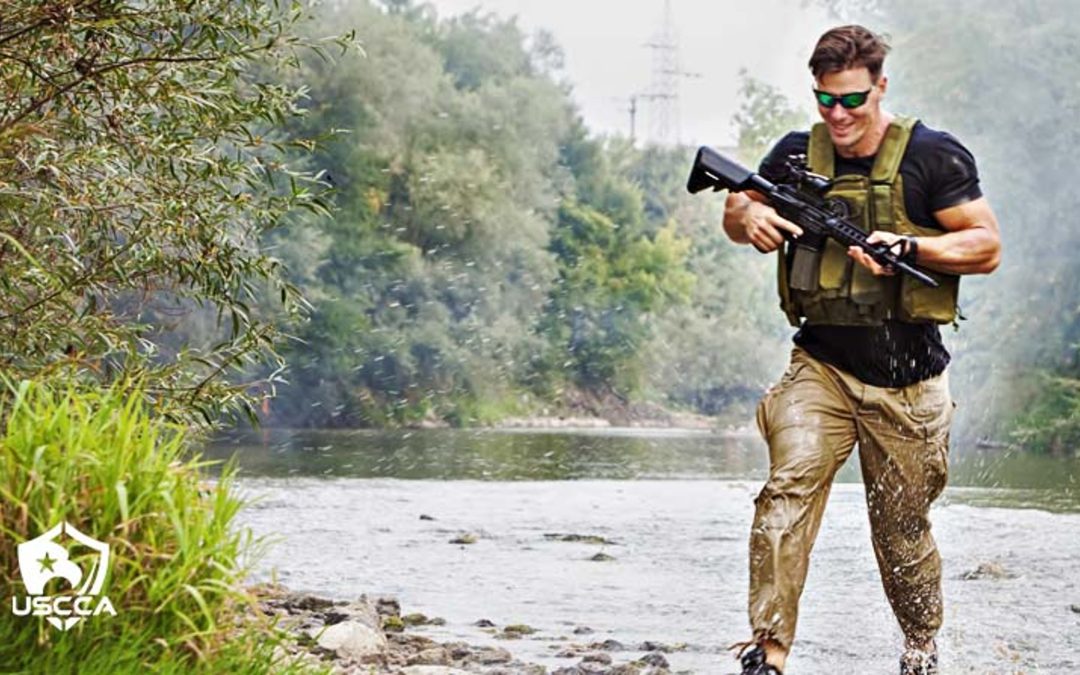
Many new gun owners get stuck here — between what they see in movies and what actually keeps them safe. A “combat mindset” is about seeking danger, charging into the fight or adopting a warrior ethos designed for military missions. That may work on the battlefield, but it’s not the optimal choice for new gun owners, armed civilians or everyday people.
The mindset we need is calmer and more realistic. It prioritizes:
- Avoiding danger when possible
- Escaping danger when necessary
- Defending ourselves only as a last resort
This is what responsible self-defense really looks like — not running toward gunfire or “seeking out bad guys,” but recognizing risk early, reading your environment honestly and making choices that bring you home.
Awareness and Openness to Learning
Awareness is more than “keeping your head on a swivel.” It’s a blend of observation, intuition and humility. It’s accepting that we don’t know everything and that growth requires openness.
Coachability is a trait even athletic scouts look for. Why? Because being coachable means being able to change. And in the self-defense world, change is often the difference between outdated tradition and effective skill.
If you always do what you’ve always done, you will always have what you have always had.
That applies just as much to mindset as to firearms handling. Being skeptical is healthy. Being closed off is not. Training offers us the chance to learn, adapt and challenge what we think we already know. And that willingness to change is fundamental to the defensive mindset.
The Mental Fortitude to Fight … If You Must
Avoidance is ideal. Escape is preferable. But when there is no alternative, a defensive mindset becomes a lifeline.
One article reminds us of a sobering truth: “Handguns don’t really have stopping power.” Most wounds aren’t incapacitating. Many attackers continue fighting even after receiving what would eventually be fatal injuries. In one example, a violent criminal absorbed fourteen hits — including six fatal rounds — and continued shooting until the final stopping shot.
This is not meant to be frightening. It’s meant to reinforce the seriousness of mindset. If you must defend yourself, you must be prepared to keep going until the threat stops. Make up your mind right now to keep fighting until you have stopped the threat.
And there’s another side to this: If you are wounded, you must keep fighting. Injury does not mean defeat. Strength isn’t just physical. It’s rooted in expectation and willpower.
Physical Readiness Supports Mental Readiness
Mindset is not only mental. It’s supported by your physical ability to act, move and endure long enough to reach safety.
One source asked a simple question: if a fight broke out right now, “could you do enough to get to your gun?” Many of us assume we could — until we test it. Even a 30-second burst on a punching bag left seasoned participants gasping.
The takeaway isn’t to become a prizefighter. It’s to “do something to get moving and keep moving” — walk, lift light weights, choose activity over inertia. Your mindset improves when your body can support it.
Preparedness Is Peace of Mind
Preparedness is not about expecting the worst. It’s about refusing to be powerless. As one author put it, the only time she feels paranoid is when she knows she could protect herself better but isn’t able to.
Choosing preparedness is choosing options. It’s choosing to be calm at the gas pump, confident in the parking lot, capable during unexpected moments. It’s choosing not to freeze, both literally and mentally, when life turns sideways.
And it’s choosing to come home.
This article is a compilation of previous blog posts authored by Beth Alcazar and Kevin Michalowski.
Defensive Mindset & Mental Preparedness FAQ
What is a defensive mindset?
A defensive mindset is the mental readiness to recognize danger early, avoid it when possible and defend yourself only when necessary. It prioritizes awareness, preparation and good decision-making over confrontation.
Is having a defensive mindset the same as having a combat mindset?
No. A combat mindset focuses on seeking and engaging threats, which is not appropriate for responsibly armed civilians. A defensive mindset emphasizes avoidance and escape before stopping a threat only as a last resort.
Why is mindset so important in self-defense?
Mindset shapes how you perceive danger, how quickly you make decisions and whether you freeze or act under stress. Tools and skills matter, but your mindset determines how — and whether — you use them effectively.
Does being prepared mean being paranoid?
No. Preparedness is proactive, not fearful. It gives you options and confidence. Many people feel more anxious when they recognize risks but lack the tools or mindset to address them.
What role does physical fitness play in a defensive mindset?
Physical readiness supports mental readiness. Even short bursts of physical exertion can be exhausting, and the ability to move, resist or escape directly affects your ability to survive a violent encounter.
How can I improve my defensive mindset?
Improvement starts with awareness, honest self-assessment and openness to training. Being coachable, willing to learn and realistic about your abilities strengthens both confidence and judgment.
What is the ultimate goal of a defensive mindset?
The goal is simple: avoid danger when possible, survive when avoidance fails and return home safely to the people who depend on you.
https://www.usconcealedcarry.com/blog/seeking-danger-self-defense-is-not-about-a-combat-mindset/